
Sesamoiditis
Pain and inflammation of the small sesamoid bones under the big toe—common in active individuals and treatable with proper care.
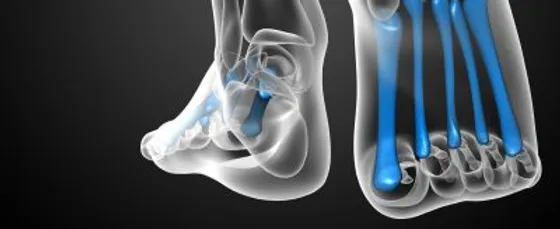
What is Sesamoiditis?
Sesamoiditis is an inflammation of the sesamoid bones, two tiny pea-sized bones located beneath the big toe joint.
These bones act like pulleys, helping the big toe move and absorb pressure while walking or running.
When these bones or the tendons surrounding them become inflamed or irritated, it leads to sesamoiditis—an overuse injury often seen in athletes, dancers, and people who spend long hours on their feet.
Symptoms
Pain under the big toe joint (ball of the foot)
Tenderness when pressing below the big toe
Swelling or warmth in the area
Pain that increases during walking, running, or jumping
Difficulty bending or lifting the big toe
Pain when wearing high heels or hard-soled shoes
A sensation of stepping on a small stone
Causes
Sesamoiditis usually occurs due to repetitive stress or excess pressure on the forefoot. Common triggers include:
High-impact sports (running, basketball, dancing)
Wearing high heels or thin-soled shoes
Sudden increase in physical activity
Foot deformities (high arches or flat feet)
Tight calf muscles or abnormal foot mechanics
Jobs requiring long hours of standing
Direct trauma or impact to the forefoot
Who is at Risk?
Athletes (especially runners, sprinters, dancers)
Individuals with high-arched feet
People wearing high heels regularly
Those with forefoot-heavy walking patterns
Individuals who spend long hours standing
People with a history of foot injuries
Diagnose
Diagnosis typically includes:
Physical examination of the big toe joint
Pressing the sesamoid area to identify pain
Checking movement and flexibility of the big toe
X-rays to rule out fractures
Ultrasound or MRI for detailed tendon and bone assessment
Gait analysis to identify pressure abnormalities
Treatment Options
Non-Surgical Treatment (Most Effective)
Most patients recover fully with conservative care:
Rest & activity modification — avoiding impact activities
Ice therapy to reduce inflammation
Off-loading pads or cushioned inserts
Metatarsal pads to reduce pressure on the sesamoids
Custom orthotic insoles
Anti-inflammatory medications
Physical therapy for strengthening and stretching
Footwear correction (soft soles, shock-absorbing shoes)
Taping techniques to reduce big toe strain
Advanced Treatments
Used when initial care fails:
Corticosteroid injections (with caution)
PRP or orthobiologic injections to promote healing
Shockwave therapy (ESWT)
Surgical Treatment
Rarely required. Considered only when:
There is a sesamoid fracture
Persistent pain despite 6+ months of conservative care
Severe deformity or joint damage
Procedures may include partial or complete removal of the damaged sesamoid, with careful protection of toe function.
Recovery & Results
Mild cases → recover in 2–6 weeks
Moderate/severe cases → 6–12 weeks or more
Full return to sports when pain-free and strength is restored
Expected improvements include:
Long-term pain relief
Better walking comfort
Ability to return to regular activities
Reduced risk of recurrence with proper footwear
Frequently Asked Questions (FAQ)
Is sesamoiditis the same as a sesamoid fracture?
No. Sesamoiditis is inflammation; a fracture is a break. X-rays help differentiate.
Can I walk with sesamoiditis?
Yes, but minimize activities that increase pain.
Do I need surgery?
Very rarely. Most cases respond well to non-surgical treatment.
Will it come back?
It can, especially if footwear and activity load are not corrected.