
Forefoot Deformity Corrections
Surgical or non-surgical treatments to restore alignment, reduce pain, and improve foot function.
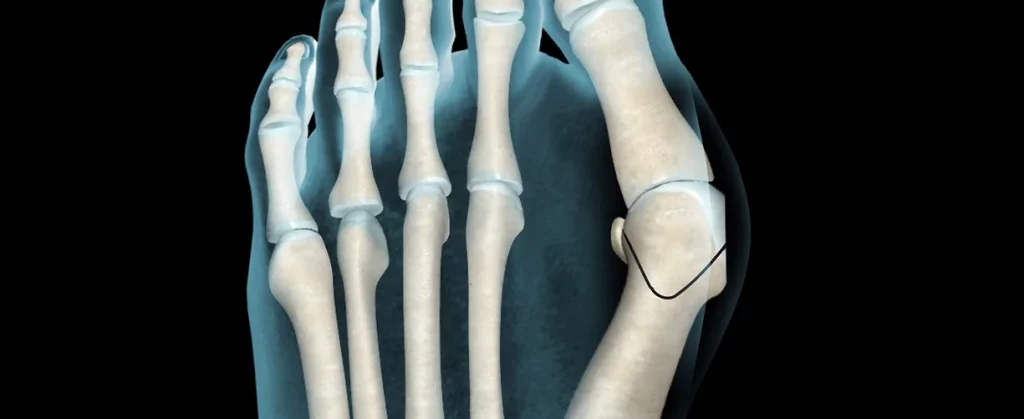
What Are Forefoot Deformities?
Forefoot deformities refer to structural changes affecting the front part of the foot—including the toes, metatarsals, and surrounding soft tissues.
These deformities can cause pain, difficulty walking, footwear problems, and long-term joint issues if not treated on time.
Common forefoot deformities include:
Bunions (Hallux Valgus)
Hammer Toes / Claw Toes
Metatarsalgia
Hallux Rigidus (Stiff Big Toe)
Crossed Toes
Tailor’s Bunion (Bunionette)
Forefoot deformity correction aims to restore natural alignment, relieve pain, and improve foot function.
Symptoms
Pain or swelling at the front of the foot
Visible deformity of toes
Difficulty wearing normal footwear
Pressure points or hard skin (corns/calluses)
Numbness or tingling in toes
Pain when walking or standing for long periods
Overlapping or curling toes
Causes
Forefoot deformities develop due to a combination of mechanical, genetic, and lifestyle factors, such as:
Flat feet or high arches
Wearing tight, narrow, or high-heeled shoes
Genetic predisposition
Arthritis (especially rheumatoid arthritis)
Injury or previous foot trauma
Weakness or imbalance in foot muscles
Neuromuscular disorders
Who is at Risk?
Women (higher risk due to footwear choices)
Individuals with family history of foot deformities
People with arthritis
Long-distance walkers or runners
Those with poorly fitting shoes
Individuals with foot biomechanics issues
How We Diagnose Plantar Fasciitis
Diagnosis involves:
Detailed physical examination
Digital X-rays for alignment analysis
Gait and pressure-point analysis
Assessment of toe mobility and deformity severity
Evaluation of underlying causes (e.g., arthritis)
Treatment Options
Non-Surgical Treatments
These help relieve pain and slow progression:
Custom orthotics to correct foot mechanics
Toe spacers or splints
Wide, comfortable footwear
Padding and off-loading
Anti-inflammatory medications
Physiotherapy & stretching exercises
Footwear modifications
Surgical Treatments
Surgery is considered when deformities cause pain, limit function, or fail to improve with conservative care.
Common surgical procedures include:
Bunion correction (osteotomy)
Hammer toe correction
Joint realignment surgeries
Fusion (arthrodesis) for severe deformities
Soft tissue balancing or tendon release
Metatarsal osteotomies
Each surgical plan is personalized based on the deformity type and severity.
Recovery & Results
Recovery depends on the type of deformity and surgical approach:
Walking in a protective shoe within 2–6 weeks
Swelling reduces gradually over several weeks
Full recovery takes 6–12 weeks, depending on the procedure
Patients typically experience:
Improved foot alignment
Reduced pain
Better walking comfort
Ability to wear regular shoes again
Frequently Asked Questions (FAQ)
Are all forefoot deformities painful?
Not always, but untreated deformities can worsen and become painful over time.
Will the deformity come back after surgery?
With proper correction and postoperative care, recurrence is rare.
Can I walk immediately after surgery?
It depends on the procedure. Most surgeries allow protected walking with a special shoe.
Is surgery the only option?
No. Many mild deformities improve with orthotics, footwear changes, and physiotherapy.