
Tendon Pathologies
Conditions affecting the tendons of the foot and ankle that cause pain, swelling, and mobility issues.
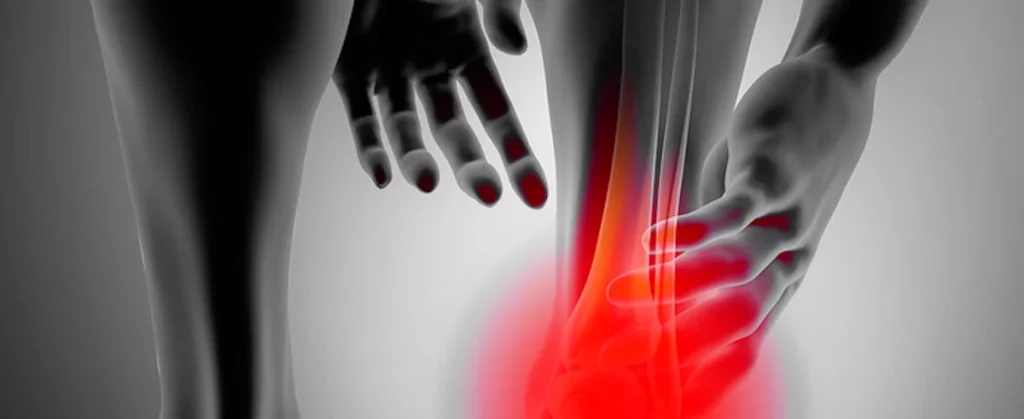
What Are Tendon Pathologies?
Tendon pathologies refer to a group of conditions that affect the tendons in the foot and ankle—the strong, fibrous tissues that connect muscles to bones.
These conditions occur due to inflammation, degeneration, tears, or overuse, and can significantly affect walking, balance, and overall foot function.
Common tendon pathologies include:
Achilles Tendinopathy
Posterior Tibial Tendon Dysfunction (PTTD)
Peroneal Tendonitis / Tendon Tears
Flexor Tendonitis
Extensor Tendonitis
Tendon Ruptures
Symptoms
Pain along the tendon or surrounding area
Swelling or warmth around the tendon
Stiffness, especially in the morning
Difficulty walking, pushing off, or standing
Feeling of weakness or instability in the foot or ankle
A snapping or clicking sensation (sometimes)
In severe cases → visible deformity or inability to bear weight
Causes
Tendon problems usually result from repetitive strain, biomechanical issues, or sudden injuries. Common triggers include:
Overuse in sports or daily activities
Sudden increase in physical activity
Flat feet or high arches
Tight calf muscles
Wearing unsupportive footwear
Aging-related tendon degeneration
Previous ankle sprains
Obesity, diabetes, or inflammatory conditions
Direct trauma or tendon tears
Who is at Risk?
Runners, athletes, and dancers
Individuals with foot deformities (flat foot, high arch)
People with arthritis or inflammatory conditions
Those who walk or stand for long hours
Middle-aged adults
People with previous ankle injuries
How We Diagnose Plantar Fasciitis
A detailed evaluation includes:
Physical examination of the tendon, range of motion, and strength
Gait and posture analysis
Ultrasound to check tendon swelling or tears
Digital X-rays to assess bone alignment or spur formation
MRI scans for detailed tendon imaging (if required)
Treatment Options
Non-Surgical Treatments
Most tendon pathologies respond well to conservative management:
Rest and activity modification
Physiotherapy (strengthening, stretching, and functional rehab)
Ice therapy and anti-inflammatory measures
Custom orthotics to correct foot mechanics
Supportive footwear
Ankle braces to reduce strain
Shockwave therapy (ESWT)
Ultrasound-guided injections (if needed)
Regenerative & Advanced Therapies
PRP (Platelet-Rich Plasma) injections
Orthobiologics for enhanced tendon healing
Surgical Treatment
Surgery is considered when:
There are significant tendon tears
Symptoms persist despite 3–6 months of conservative care
There is tendon instability or deformity requiring correction
Surgical options include:
Tendon repair or reconstruction
Removal of diseased tendon tissue (debridement)
Tendon transfer for severe dysfunction
Correcting underlying biomechanical deformities
Recovery & Results
Recovery depends on the severity and type of tendon pathology:
4–12 weeks for mild cases
3–6 months for major tendon injuries
Physiotherapy plays a crucial role in long-term healing
Most patients experience:
Reduced pain and swelling
Stronger and more stable foot mechanics
Return to normal activity with lower risk of recurrence
Frequently Asked Questions (FAQ)
Are tendon problems permanent?
No. Most tendon issues heal well with early treatment and proper rehabilitation.
Can a tendon tear heal without surgery?
Small tears may heal with guided therapy; large tears often require surgical repair.
Why does my tendon pain worsen in the morning?
Tendons tighten overnight. Inflammation also increases stiffness after rest.
Are injections safe for tendon problems?
Yes, when used appropriately. PRP and orthobiologics help in healing; steroid injections are used cautiously.