
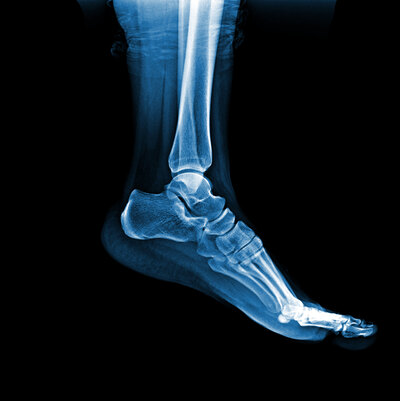
About Complex Foot and Ankle Deformities
Complex structural deformities of the foot and ankle are among the most challenging orthopedic conditions. They often result from neurological disorders, trauma, congenital conditions, or complications from previous injuries or surgeries. Such deformities can lead to chronic pain, difficulty walking, problems with balance, and, in severe cases, limb disability or non-healing ulcers.
What Are Complex Foot and Ankle Deformities?
Complex deformities involve abnormal alignment of bones, joints, or soft tissues in multiple planes. They may be congenital or acquired and can cause visible deformity, difficulty walking, recurrent wounds, and related symptoms.
Treatment Options
Non-Surgical Management
- Custom orthotics or braces
- Shoes with special modifications
- Physical therapy to improve strength and flexibility
Surgical Management
- Osteotomies (bone realignment procedures)
- Soft tissue releases and tendon transfers
- External fixation techniques (e.g., Ilizarov method)
- Fusion procedures for severe or rigid deformities
Frequently Asked Questions (FAQ)
Who is at risk for complex foot and ankle deformities?
Anyone can develop complex deformities due to trauma, birth conditions, neurological disorders, repeated injuries, or complications from diseases like diabetes and arthritis.
What is the recovery time after surgery?
Recovery depends on type and extent of surgery; initial healing takes 6–12 weeks, with full rehab over several months.
Will I need physical therapy?
Yes, physical therapy is usually essential to restore strength, flexibility, and gait after treatment.
Are non-surgical options available?
Many deformities can be managed non-surgically via orthotics, braces, custom footwear, and therapy; surgery is for severe cases.