
Adult Acquired Flat Foot Correction
Comprehensive evaluation and treatment for painful flatfoot deformity caused by tendon dysfunction or joint collapse.
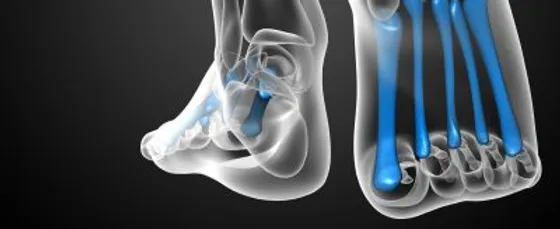
What is Adult Acquired Flat Foot (AAFD)?
Adult Acquired Flat Foot (AAFD), also known as Progressive Collapsing Foot Deformity, occurs when the arch of the foot gradually collapses during adulthood.
This condition usually develops due to weakening or tearing of the posterior tibial tendon, leading to:
Loss of arch height
Heel turning outward
Forefoot shifting
Increasing pain and difficulty walking
If untreated, AAFD can become severe, causing arthritis, deformity, and long-term disability.
Stages of Adult Acquired Flat Foot
AAFD is classified into four stages:
Stage 1: Tendon inflammation, pain, but no deformity
Stage 2: Arch collapse begins; flexible deformity
Stage 3: Rigid flatfoot with joint stiffness
Stage 4: Ankle joint involvement and arthritis
Early intervention significantly improves outcomes.
Symptoms
Pain on the inner side of the foot and ankle
Arch flattening (visible loss of arch)
Swelling around the inside of the ankle
Heel shifting outward
Difficulty standing on toes
Tired, achy feet after walking
In advanced stages → stiffness, arthritis, and deformity
Causes
Adult Acquired Flat Foot develops due to:
Posterior tibial tendon dysfunction (PTTD)
Arthritis of the foot or ankle
Previous injuries
Obesity or weight gain
Diabetes
High-impact activities
Aging-related degeneration
Ligament laxity
Who is at Risk?
Adults above 40
Women (more commonly affected)
Individuals with obesity
People with diabetes
Athletes or active individuals
Those with a history of foot/ankle injuries
Diagnose
Your evaluation includes:
Clinical examination of arch height and foot alignment
Heel-rise test
Gait and posture assessment
X-rays to analyze bone alignment
Ultrasound or MRI to assess tendon damage
Evaluation of associated arthritis or deformity
Treatment Options
Non-Surgical Correction (Early Stages)
Custom orthotic insoles to support the arch
Ankle braces (AFO or PTTD-specific braces)
Physiotherapy
Strengthening of posterior tibial tendon
Stretching tight calf muscles
Activity modification
Anti-inflammatory medication
Footwear modification
Weight management support
These methods are effective in Stages 1–2.
Surgical Correction (For Advanced or Painful Cases)
Surgery is recommended when:
Arch collapse is severe
Deformity becomes rigid
Conservative treatment fails
Arthritis develops
Common surgical procedures include:
1. Tendon Reconstruction
Repair or replace the damaged posterior tibial tendon.
2. Osteotomies (Bone Cuts & Realignment)
Realignment of the heel bone or midfoot to restore the arch.
3. Ligament Repair or Reinforcement
Strengthening internal foot structures.
4. Joint Fusion (Arthrodesis)
Used in late-stage deformity or arthritis to eliminate pain.
5. Lateral Column Lengthening
Improves alignment and balance.
Your surgical plan is personalized based on the stage and severity of AAFD.
Recovery & Results
Recovery varies depending on the treatment:
Non-surgical: Improvement within 4–12 weeks
Surgical:
Protected weight-bearing for 6–8 weeks
Full recovery: 3–6 months
Physiotherapy after surgery for best outcomes
Expected improvements:
Restored or improved arch
Reduced pain and swelling
Better stability and walking comfort
Prevention of long-term deformity and arthritis
Frequently Asked Questions (FAQ)
Can adult flat foot be corrected without surgery?
Yes—in early and flexible stages. Orthotics and physiotherapy are very effective.
Does flatfoot worsen with age?
It can, if left untreated. Early treatment prevents progression.
When is surgery necessary?
When pain persists, deformity increases, or walking becomes difficult despite conservative care.
Will I be able to walk normally after surgery?
Yes. With proper healing and rehabilitation, patients usually regain excellent function.