
Arthritis of the Foot & Ankle
Chronic joint pain, stiffness, and swelling caused by degeneration or inflammation of the foot and ankle joints.
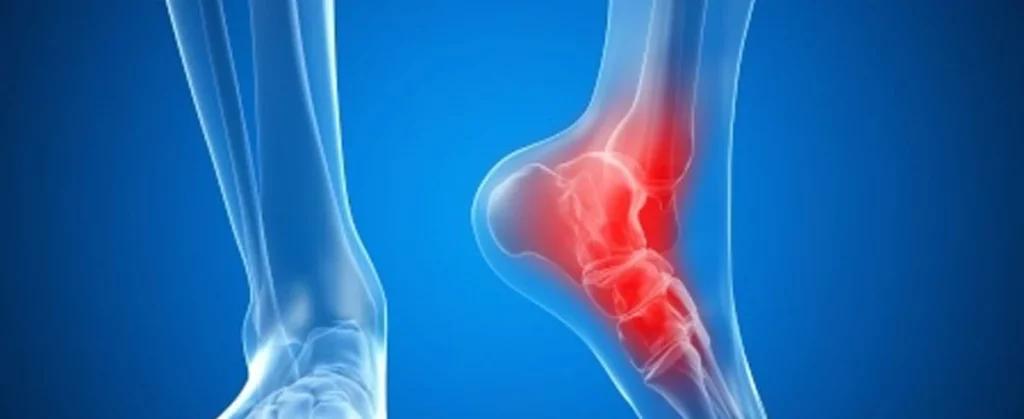
What is Foot & Ankle Arthritis?
Arthritis of the foot and ankle refers to inflammation and degeneration of the joints, leading to pain, stiffness, and difficulty walking.
It occurs when the cartilage — the smooth, protective cushioning between bones — becomes worn out or damaged, causing bones to rub against each other.
There are three common types:
Osteoarthritis (Wear & Tear Arthritis)
Rheumatoid Arthritis (Autoimmune)
Post-Traumatic Arthritis from previous injuries or fractures
This condition can significantly affect daily mobility and quality of life if not treated early.
Symptoms
Persistent foot or ankle pain
Stiffness, especially in the morning
Swelling and tenderness around the joint
Reduced range of motion
Pain that increases with walking or standing
Grinding or crunching sensation in the joint
Difficulty walking on uneven surfaces
Causes
Foot & ankle arthritis may develop due to:
Natural aging and wear-and-tear
Previous fractures or ligament injuries
Autoimmune conditions (Rheumatoid Arthritis)
Repetitive stress from sports or occupation
Obesity, which increases joint load
Flat feet or abnormal foot alignment
Genetic predisposition
Who is at Risk?
Individuals aged 40+
People with a history of ankle sprains or fractures
Athletes with repetitive stress
Individuals with flat feet or high arches
People with inflammatory conditions
Overweight individuals
Those with a family history of arthritis
Diagnose
Diagnosis includes:
Physical examination of joint movement and tenderness
Weight-bearing X-rays to assess joint spacing and bone alignment
Ultrasound to detect inflammation
MRI for cartilage and soft tissue evaluation
Gait analysis to identify mechanical issues
Treatment Options
Non-Surgical Treatments
Most patients can manage arthritis effectively without surgery:
Activity modification
Anti-inflammatory medication (NSAIDs)
Ice or heat therapy
Physiotherapy for strength and mobility
Custom orthotics to support the arch and reduce pressure
Ankle braces for stability
Footwear modification (rocker-bottom shoes)
Weight management to reduce joint load
Corticosteroid injections for pain relief
Visco-supplementation / Gel injections (in select cases)
Regenerative Therapies
To promote tissue healing and reduce pain:
PRP (Platelet-Rich Plasma)
Orthobiologics for joint inflammation control
Surgical Treatment
Surgery is considered when pain persists despite comprehensive conservative care.
Common procedures:
Arthroscopic debridement (cleaning the joint)
Osteotomy (bone realignment)
Joint fusion (Arthrodesis) – eliminates pain by joining bones together
Joint replacement (Arthroplasty) – replaces damaged joint surfaces
The choice depends on the joint involved and severity of degeneration.
Recovery & Results
Mild cases improve in weeks with conservative care
Surgical recovery varies from 6–12 weeks
Most patients experience:
Significant pain reduction
Improved joint stability
Better walking ability
Increased quality of life
Long-term management is important to prevent progression.
Frequently Asked Questions (FAQ)
Is foot & ankle arthritis curable?
It cannot be reversed, but symptoms can be controlled very effectively with the right treatment.
Will I need surgery?
Only if conservative treatments fail and pain limits your daily life.
Can exercise help?
Yes. Strengthening and mobility exercises reduce stiffness and support joint health.
Are injections safe?
Yes. When used appropriately, injections reduce pain and inflammation safely.